I am the youngest of seven. By the time I was old enough to want anything, my brothers had already chosen most of it, and the eldest, an engineer in Lyon, had decided I was going to be one too. He was usually right about me.
My father was an international pilot. He spent most of my childhood in transit between Dakar, Paris, Casablanca, and a string of West African capitals I learned the names of from the back of his uniform jacket. The first thing I understood about distance was that he closed it for a living. The second was that closing distance for a living does not make distance any less real for the people you leave on the ground.
I left for Texas at twenty-three, on the kind of scholarship that meant I would not see my mother for two years at a time. I worked as a software engineer at a large company. I bought a house on a quiet street. I had a wife, two cars, the things that signal arrival. I sent money home every two weeks, and once a year I went back, and every year the city I returned to was farther from the one I had left.
The diaspora return is not a metaphor. It is a transaction. You walk into your mother's compound and a cousin you have not seen in five years asks about the property you said you wanted. You go to the plot, which is exactly as hot and exactly as long a drive as you remember. You stand on it. You hand over an envelope. You fly back to Houston, and three months later you find out the plot has been sold twice.
This happened to me. Not to a friend, not to a cousin, to me, with my own money, in my own family's village. I did not lose the plot, only because my uncle was a lawyer and intervened before papers were filed. The lesson was the kind you only need to learn once. There is no automated way to be a buyer at a distance in a market where every step depends on a person you have to trust through a phone.
I am an engineer. I think in systems. The first thing I noticed about that experience, after I stopped being angry, was that I had given my uncle a kind of work he should not have had to do. He is not a title insurer. He is not a registry. He is not a real estate platform. He is a man with a law degree and a sense of duty to his nephew, who interrupted his life because the system that should have done the work did not exist.
The story I want to tell here is not about that transaction. It is about what happened when I started looking, professionally, at why those systems do not exist. I expected to find broken software. What I found was an absence of any software at all. Property in Senegal, like property in most of the markets I now spend my time thinking about, runs on paper, on local relationships, on phone calls, on a kind of trust that does not scale and does not survive distance.
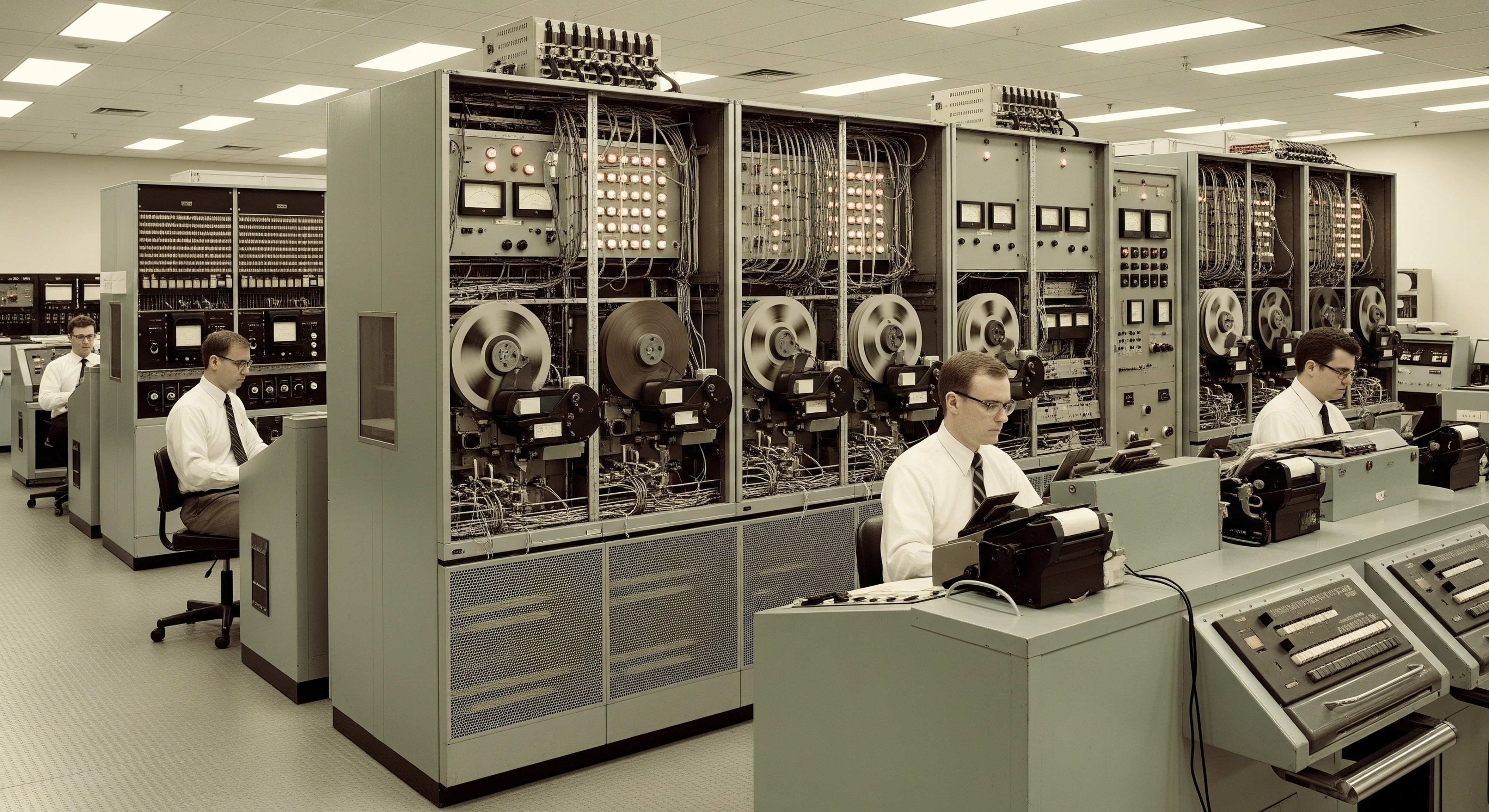
I believed for a long time that the answer was a Senegalese version of an American real estate platform. I no longer believe that. The American platforms work because of the institutions behind them. Title insurers carry liability. Notaries are licensed. Registries are queryable. Solicitors face professional sanction. A diaspora-targeted listings site in Senegal that sits on top of those institutions is just a marketing layer over an empty machine room.
The work, if you take it seriously, is to build the machine room.
That is what brought me to Fahroh. Princess and I had been talking for the better part of a year. She came at the problem from her father's plot in Nigeria. I came at it from mine, in a village outside Dakar. We agreed faster than we should have on what the answer looked like. A verified listings layer, identity verification baked into every party in every transaction, settlement that can clear in stablecoin or local currency, an audit trail that lives independently of any one of us. The technologies were not the hard part. The hard part was looking at the markets we know best and admitting that no one else was going to build this for them.
I think a lot about what I would say to the version of myself who handed an envelope to a man on a plot of land in 2019. He would not have listened to me. The whole point of being twenty-six and home for two weeks is that you trust the people you grew up around. What I would say to the next version of him, the one who is right now wiring money to a cousin in Accra or a brother in Lagos, is that the trust does not have to come from the cousin or the brother. It can come from the architecture, and the architecture is finally something we are in a position to build.
— Ousmane Diouf, co-founder, Fahroh