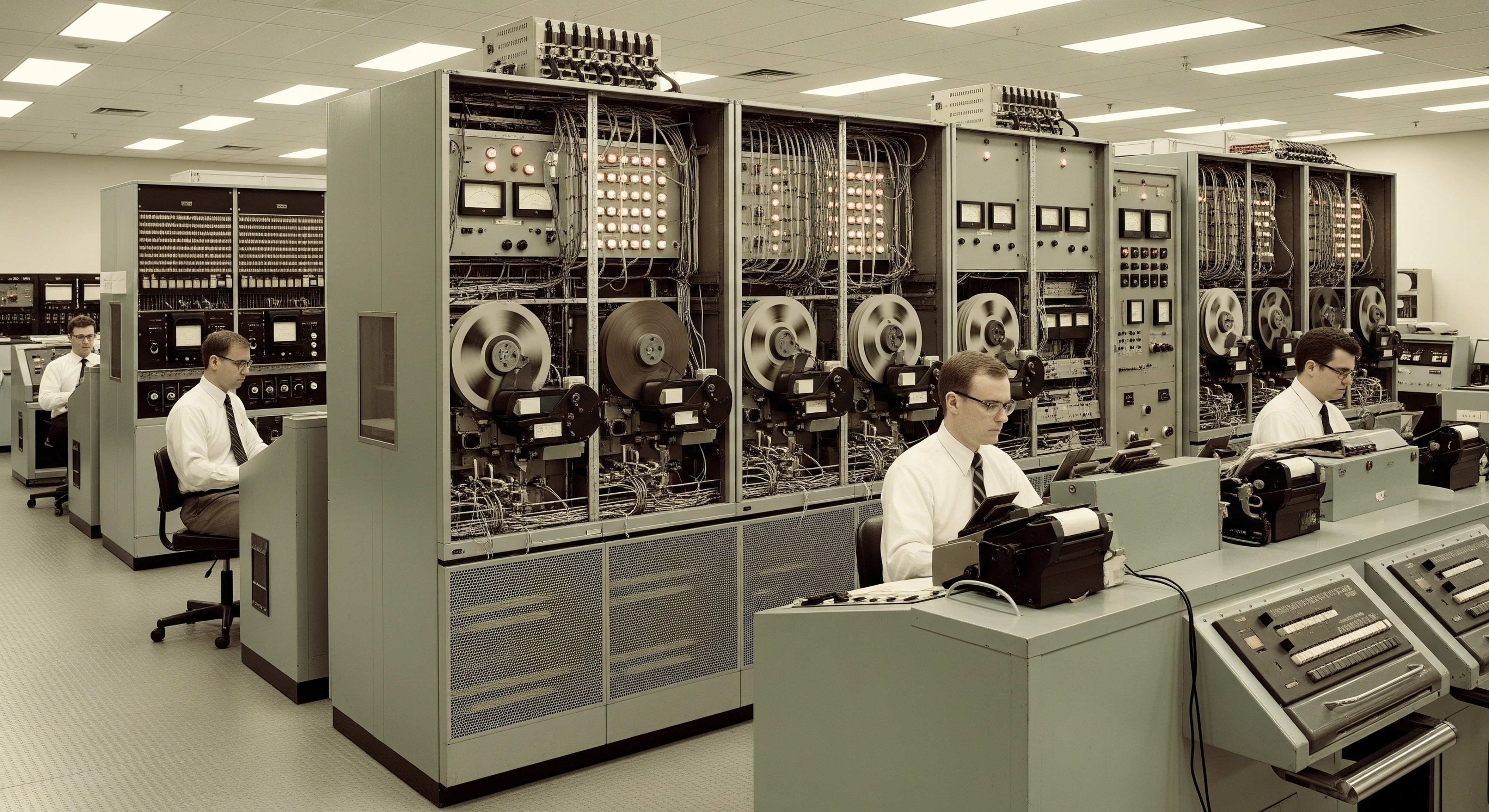
The first computer I ever touched was the size of a cabinet. My father had brought us to Houston for the year. He was in IT, running data systems for an oil company, and the office had one of those original IBM machines, a gray monolith with a beige terminal, that he was allowed to take me to see on Saturdays. He would pull up a chair. He would explain what every blinking cursor meant. He thought I would grow up to be a doctor.
I grew up to build software, and I think about him whenever I look at a piece of land.
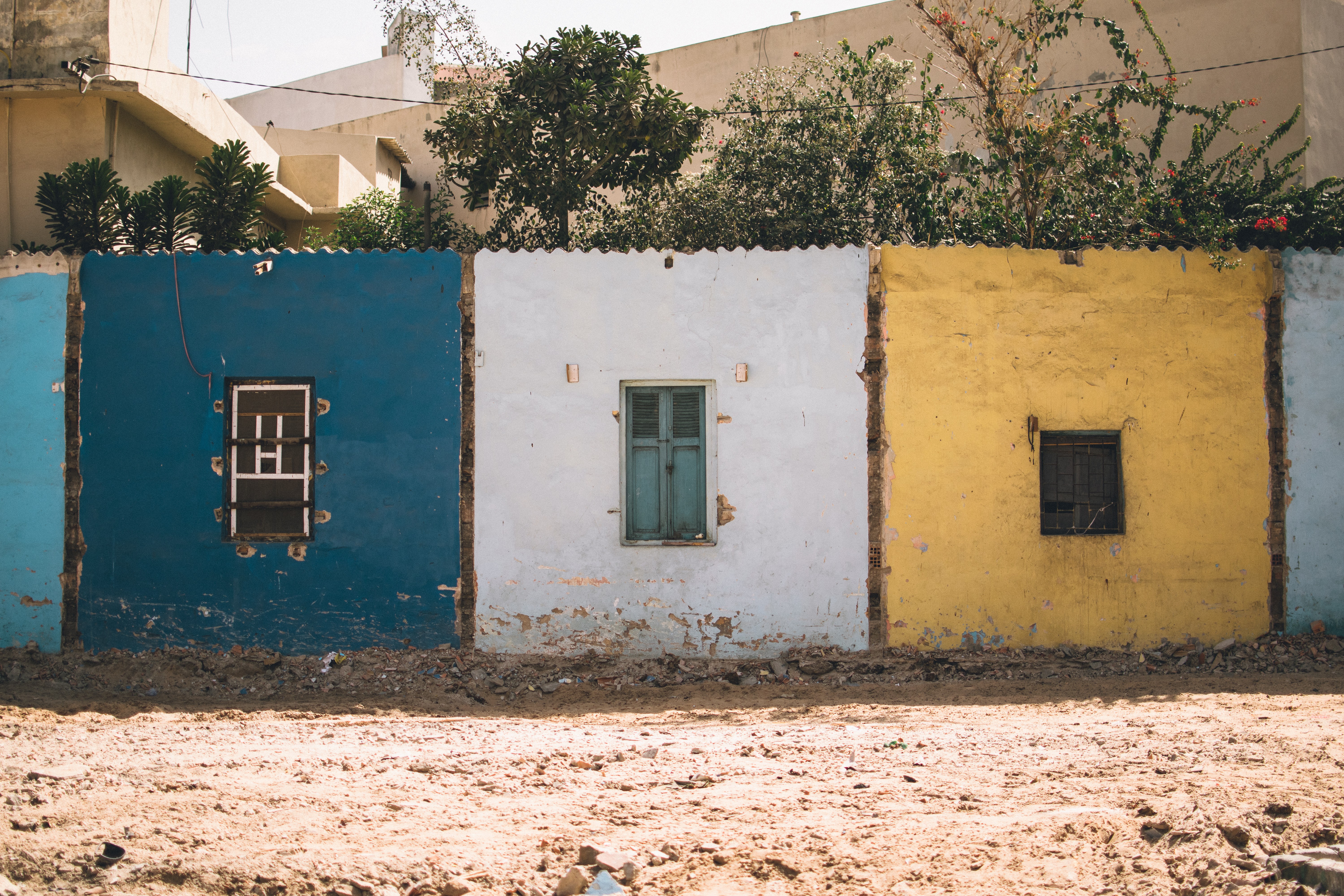
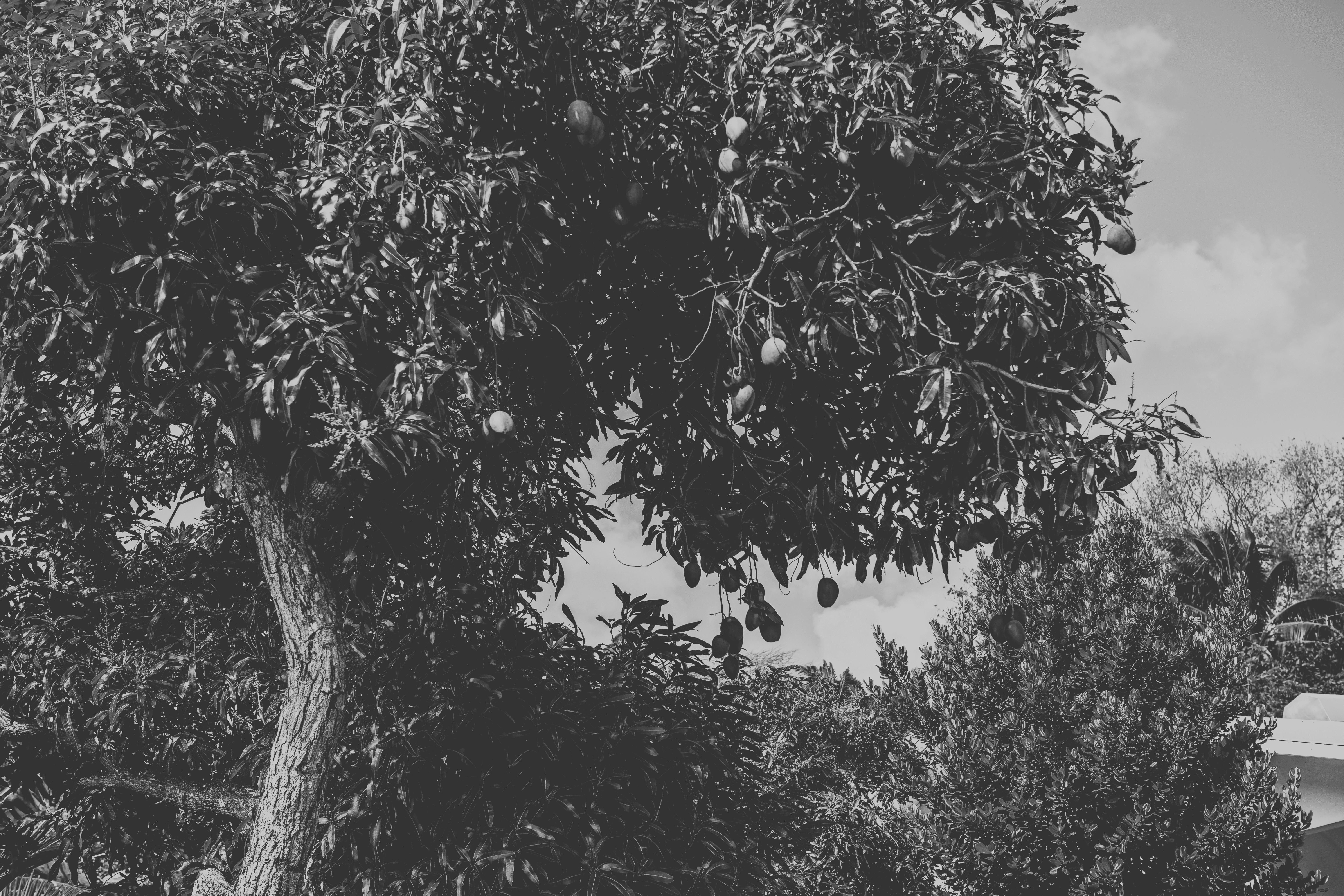
My father bought his first plot in Nigeria when I was seven. We were back in Abuja by then. I remember the deed on the dining room table because he treated it the way he treated his computers. Carefully. Methodically. He smoothed it with the side of his hand, walked me through what each line meant. He had not been to the land. He had bought it on the word of a cousin and a photograph of a tree.
Years later, when my parents tried to build, the cousin had moved. The neighbor said the parcel had been his family's for two generations. The deed had been issued by an office that had stopped keeping records the year my father bought it. There was no fraud anyone would convict. There was a piece of paper that did not survive contact with the world.
My father was a careful man. He kept his receipts. He balanced his checkbooks. He paid off two mortgages, in two countries, early. The plot was not careless. It was what every diaspora family does. You ask someone you trust. You send the money. You receive a paper. You lay it on a table and try to make it real.
I grew up watching this. Not just my father. Every uncle in the house when our families gathered, every man my father had grown up with, had a version of the same story. They had paid for land they never saw. Most of them did not catch it as cleanly as we did. Some of them lost everything. The conversations that happened around our dinner table when I was eight or nine were not really about real estate. They were about what happens to careful people when the systems they trusted were not really systems.
What I have learned, from him and from every one of his friends, is that capital does not flow into places that cannot receive it. Diaspora families have moved billions home for two generations. School fees got paid. Roofs went up. Weddings happened. A small share of that money was meant for property. A vanishing share of it actually reached property safely.
I went into computer science because I liked problems small enough to write down the answer to. The closer I got to graduation, the more I realized the most interesting problems were the ones too big to fit in a function signature. Property in the markets I cared about was one. The pieces were all there. Title registries, in some places. Identity verification, in some places. Notaries, agents, banks, lawyers, all in some places. None of them connected. None of them addressable from the diaspora address books where the money lived.
Fahroh is what happens when you decide to build the connective tissue.
The honest answer is that it took four years of looking at the same problem before I understood what it was. The problem is not that any single layer of property infrastructure is broken. The problem is that none of them speak to each other. The family member in Houston has to trust the cousin in Lagos who has to trust the agent in the next neighborhood who has to trust the seller, who can disappear before the deed is filed. The whole chain is held together by hope and a phone call.
What my father did not have, that we are now in a position to build, is a single substrate that any one of those parties can refer to.
Not a ledger of land in the abstract. A working record of which property has been verified, by whom, against what documents, on what date, with what specialist signing off, and what funds have been held against what completion conditions. The work that title insurers, registries, and licensed solicitors do automatically in mature markets, performed by software at the price the median transaction can bear.
I learned from my father that you can be careful and still lose. You can ask all the right questions, hire the right person, send the money to the right account, and end up with a piece of paper that does not survive contact with the world. He did not deserve to lose that plot. The hundred thousand families who lost something similar in the same year did not deserve theirs either.
When the first survey came back wrong, my mother said, calmly, that we should be grateful we had not built yet. I have thought about that line for years.
There is a version of this work where we are not grateful, because the systems we build catch the problem before someone breaks ground. That is the version I am trying to build.
— Princess Ugochukwu, co-founder, Fahroh