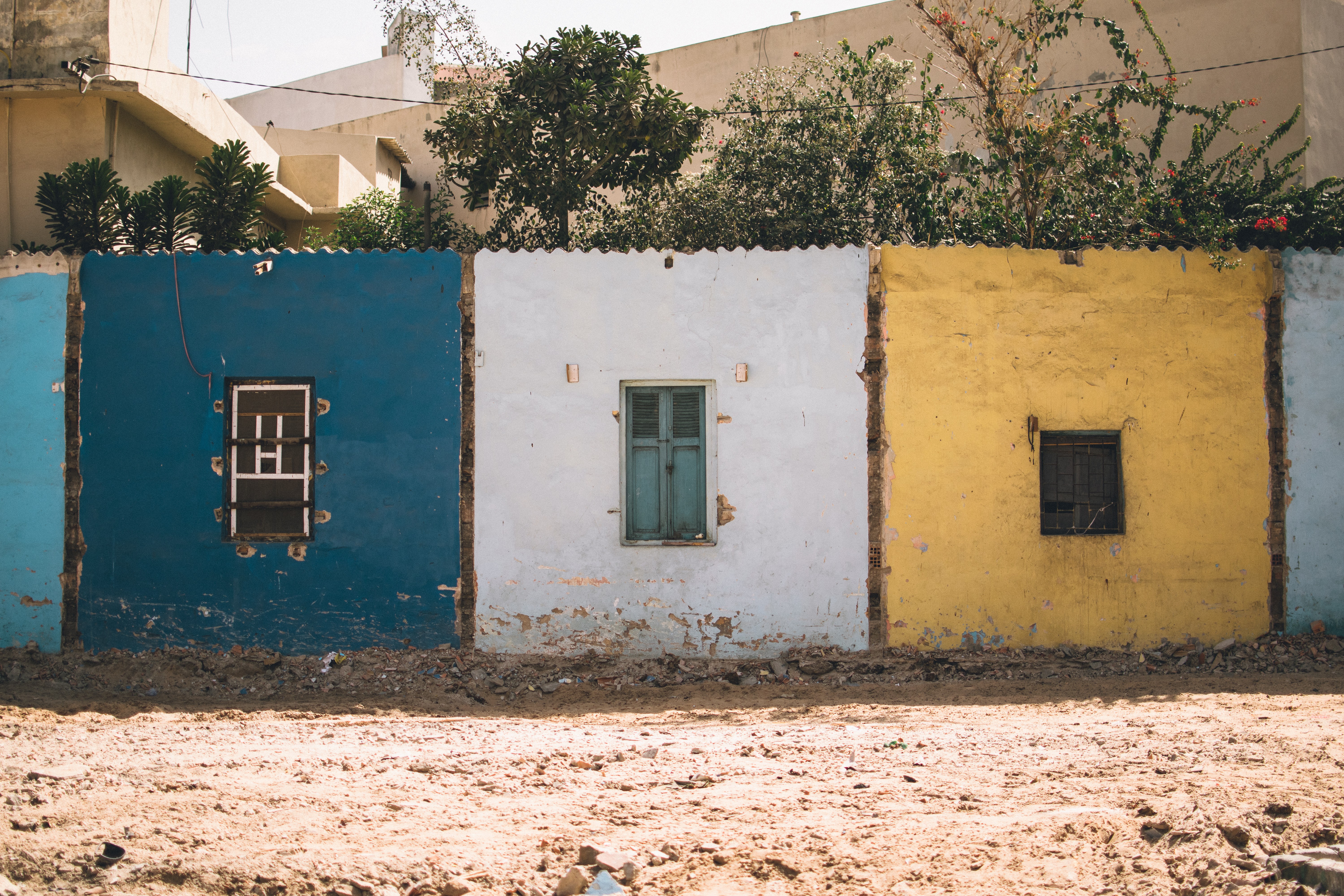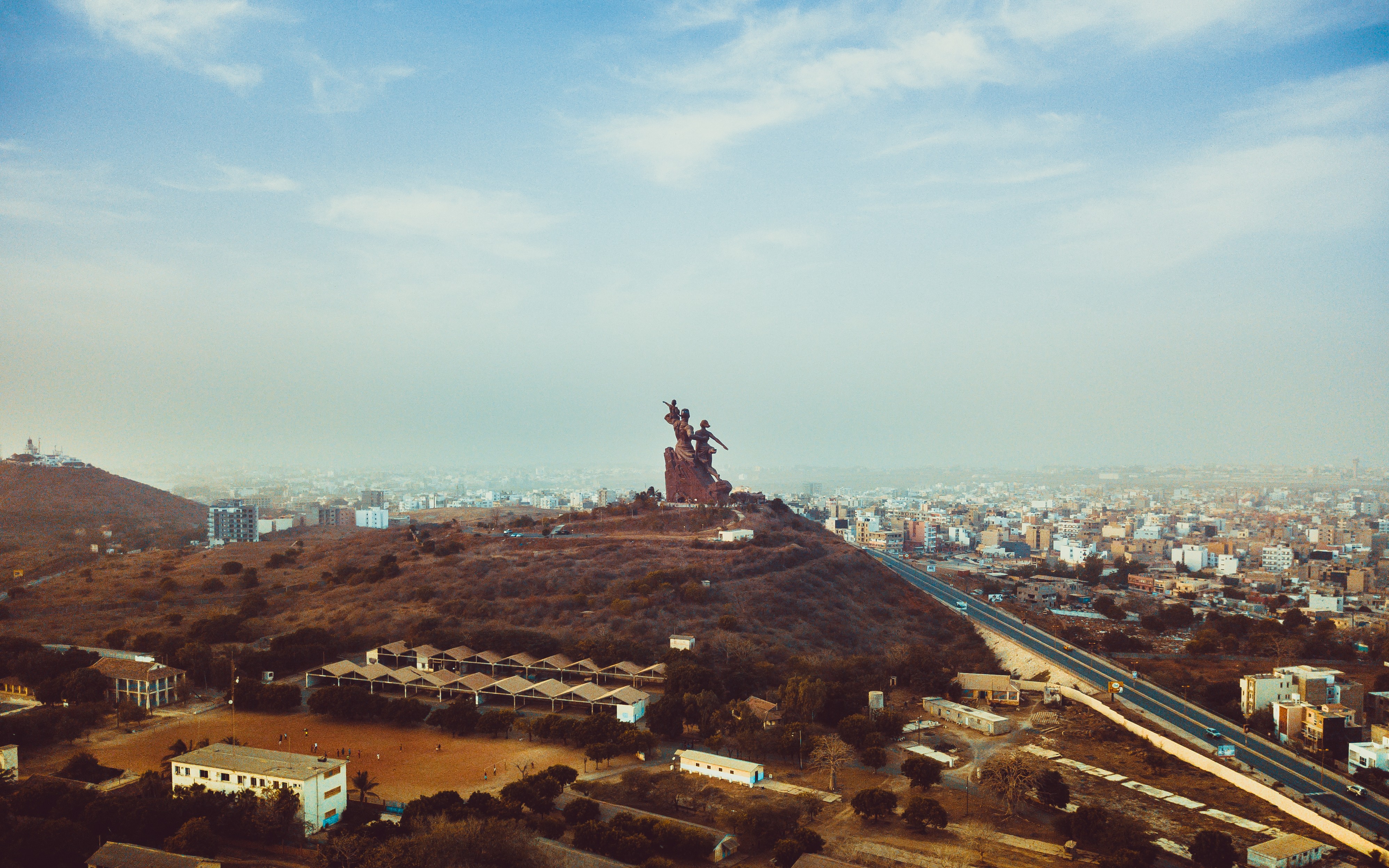
Dakar in 2026 does not match its statistics. The numbers say the property market is small, fragmented, and unstable. The numbers are not wrong. They are also not the city.
I left for Texas in 2017. I have been back, on average, twice a year since. The city I return to is not the city I left. The neighborhoods that were peripheral are now central. Buildings I remember as new are old. The cousin who bought a plot in Almadies in 2015 now lives in something a buyer abroad would not recognize as the same address. The market is moving, and the pace at which it is moving is not visible from outside.
Three things define Dakar's property market right now. All three are easier to see from inside than out.
Diaspora capital is a larger share of demand than anyone wants to admit.
In the prime neighborhoods, Almadies and Ngor and Mermoz, diaspora buyers account for a significant portion of transactions in any given year. They drive prices in the segments where supply is constrained. The agents I know in Dakar, the ones who actually close deals at scale, will tell you privately that more than half their high-value transactions originate with a buyer who is not in the country. None of this is in any official statistic. It is the market.
Trust is the binding constraint, not capital.
The capital wants to come. The buyers want to buy. What they cannot get reliably is verified information about the property they are sending money to. The agents who do well in this market function, in effect, as informal title insurance, vouching for properties from their personal reputation. This is brittle. It breaks at scale.
A diaspora buyer trusting a Dakar agent is trusting a personal relationship to do the work an institution should be doing. That is a long way from how a property market is supposed to work.
The infrastructure is being built, in pieces, but no one has assembled it.
The Senegalese cadastre's recent digitization push. Stablecoin volumes in West Africa that have grown without anyone asking them to. Biometric KYC providers reaching scale in Casablanca and Lagos. Each of these is a piece of what a functioning property market looks like. None of them have been assembled into a single buyer-facing experience that makes the diaspora transaction safe.
That is what Dakar is for, on the Fahroh roadmap. Not because Senegal is the largest market on the continent. It is not. It is the right market in which to prove the assembly is possible.
I think a lot about what my city will look like in another decade. The version where Fahroh works is the version in which a buyer in Houston wires funds to a property in Almadies and the transaction completes the way a transaction in Houston would. The version in which it does not work is the version in which my cousin's son hands an envelope to a man on a plot of land and finds out three months later the plot has been sold twice.
The version we get depends on whether the assembly happens in the next several years.
— Ousmane Diouf, co-founder, Fahroh